EBTL

Restoration project

We are trying to restore the land to a good ecological health using the little pockets of healthy forests as a reference in knowing what kind of an ecosystem is possible here.

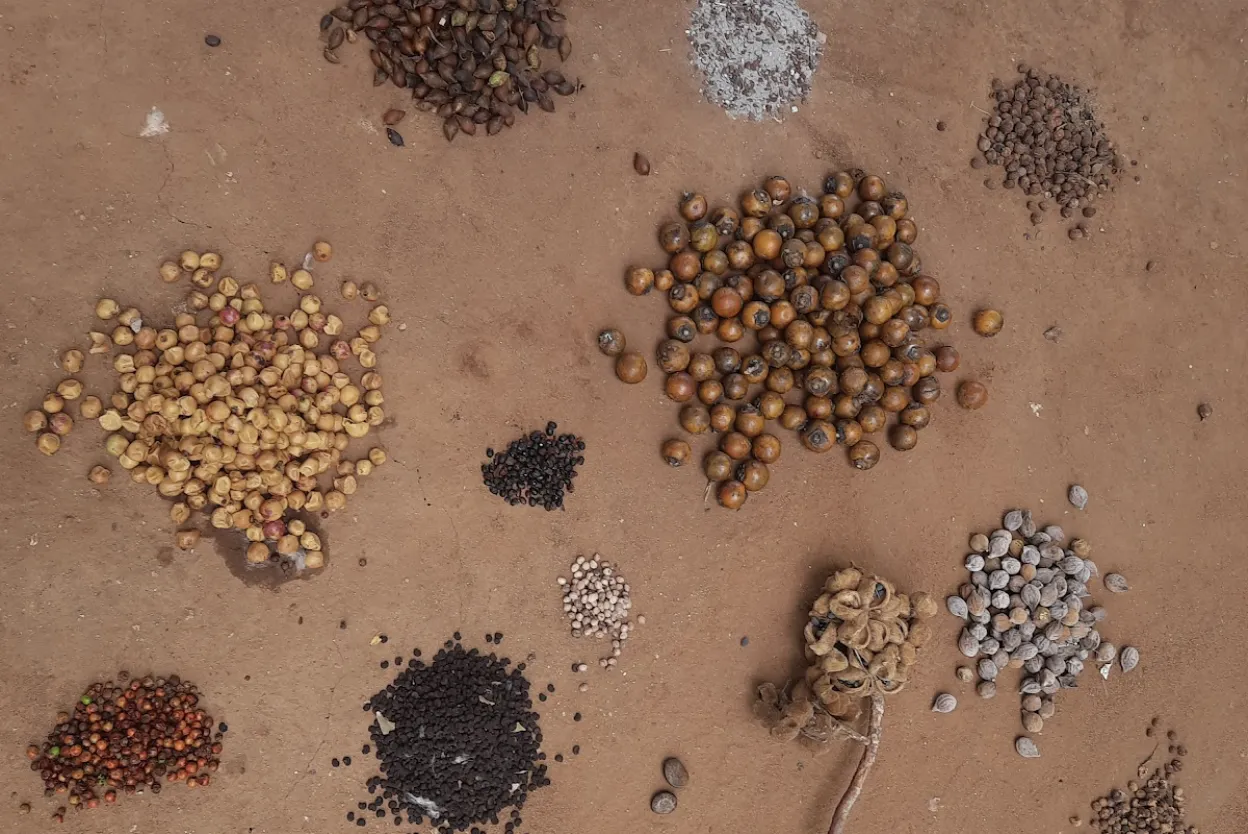
We are focusing primarily in active restoration in the form of collecting seeds from the forest remnants of this region as well as from nearby reserve forests in the ecoregion to raise a nursery and carry out planting.

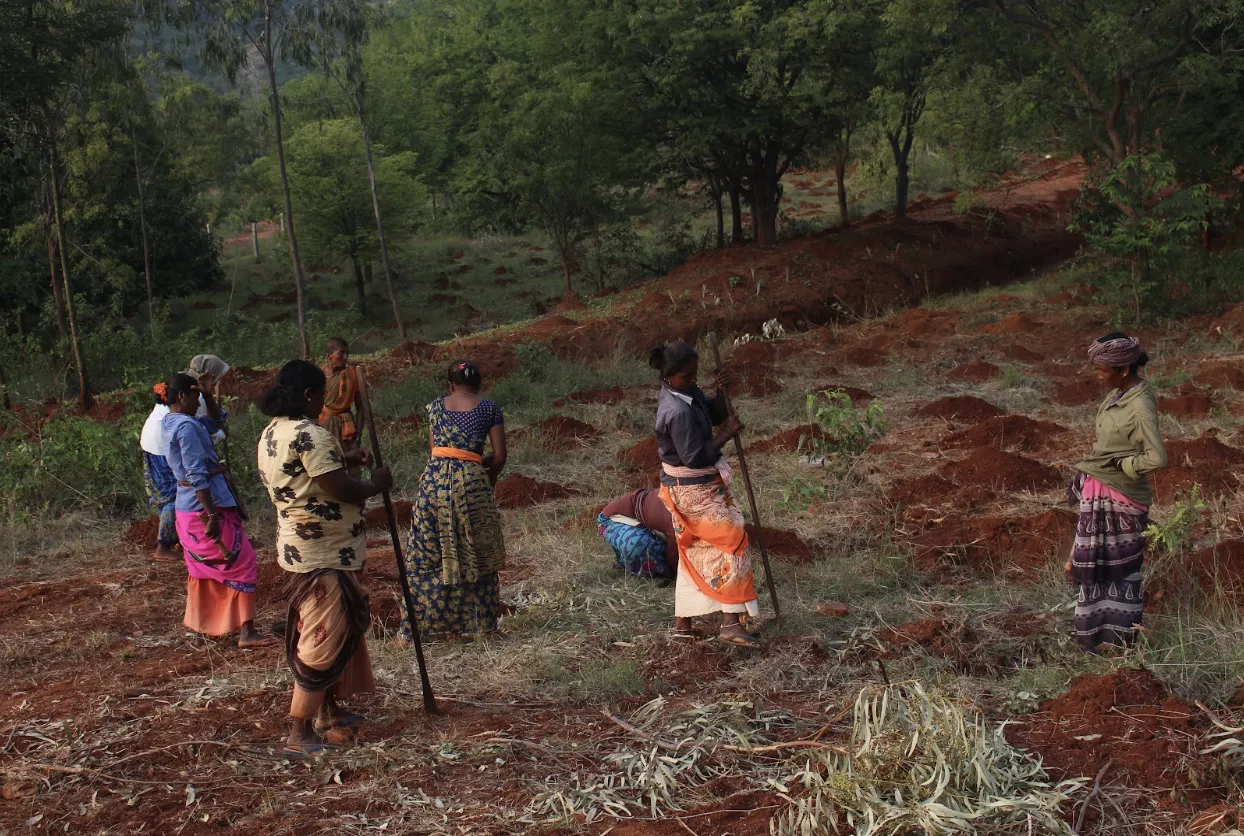
We have raised more than a 130 species of native flora and 15,000 saplings. Once saplings are of a certain age they are planted in the land during the monsoon months. Once planted and mulched we rely mostly on the rains to take care that the saplings don't dry out.

Natural regeneration is also a process that takes place in the land as we are sufficiently close to the forest. High wildlife activity helps in ensuring that some seeds get dispersed in the land.

Our vision

To restore ecological balance by nurturing native flora and enriching the biodiversity on the land. Using healthy forest pockets as our inspiration, we’re developing a sustainable ecosystem that can thrive with minimal intervention.

Seed Collection and Nursery

Using seeds sourced from local forest remnants and nearby reserve forests, we cultivate over 100 species of native flora and currently have around 15,000 saplings. Each seedling is cared for in trays, pots, and bags until they reach planting maturity.
Planting Process

During the monsoon, mature saplings are transplanted and mulched on the land, relying mostly on natural rain for sustenance. We also see some natural regeneration due to high wildlife activity, as animals help disperse seeds.

The Ecoregion

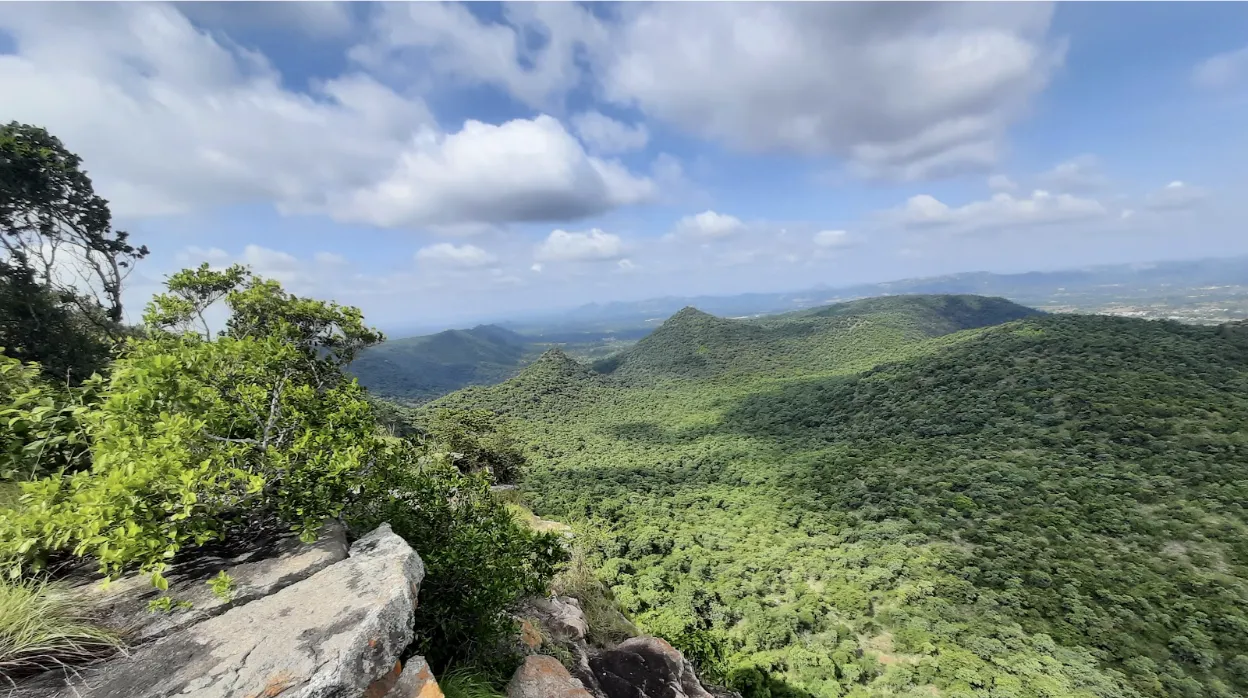
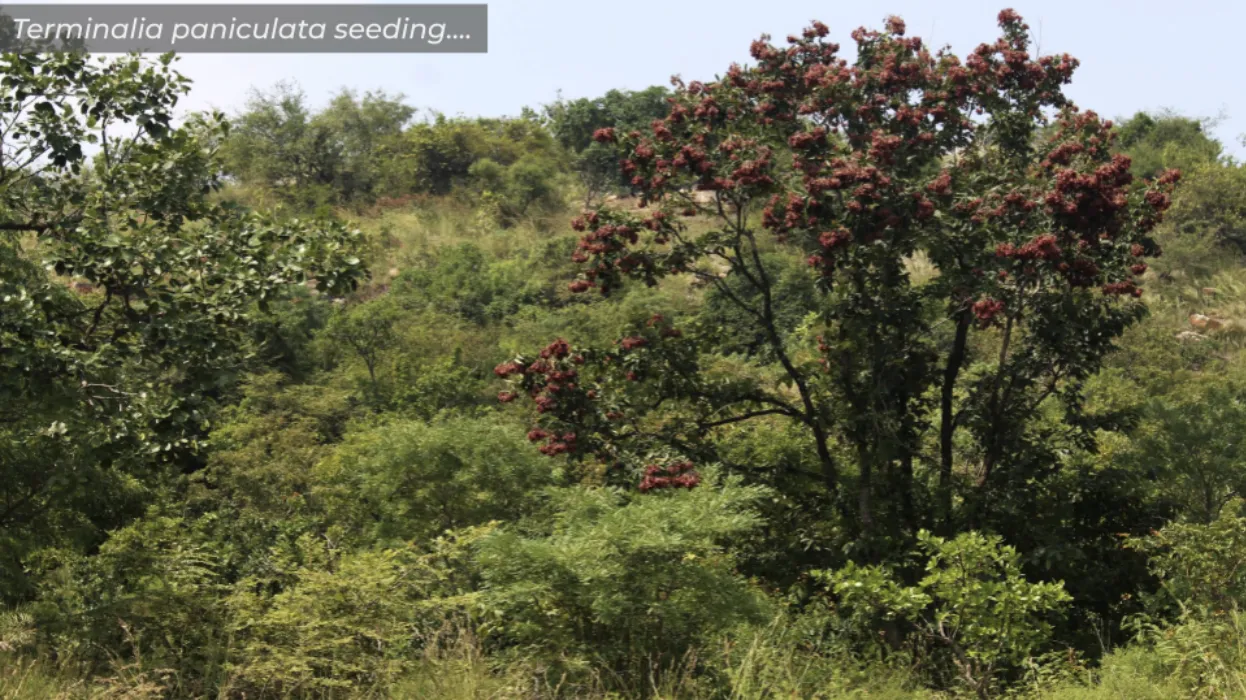
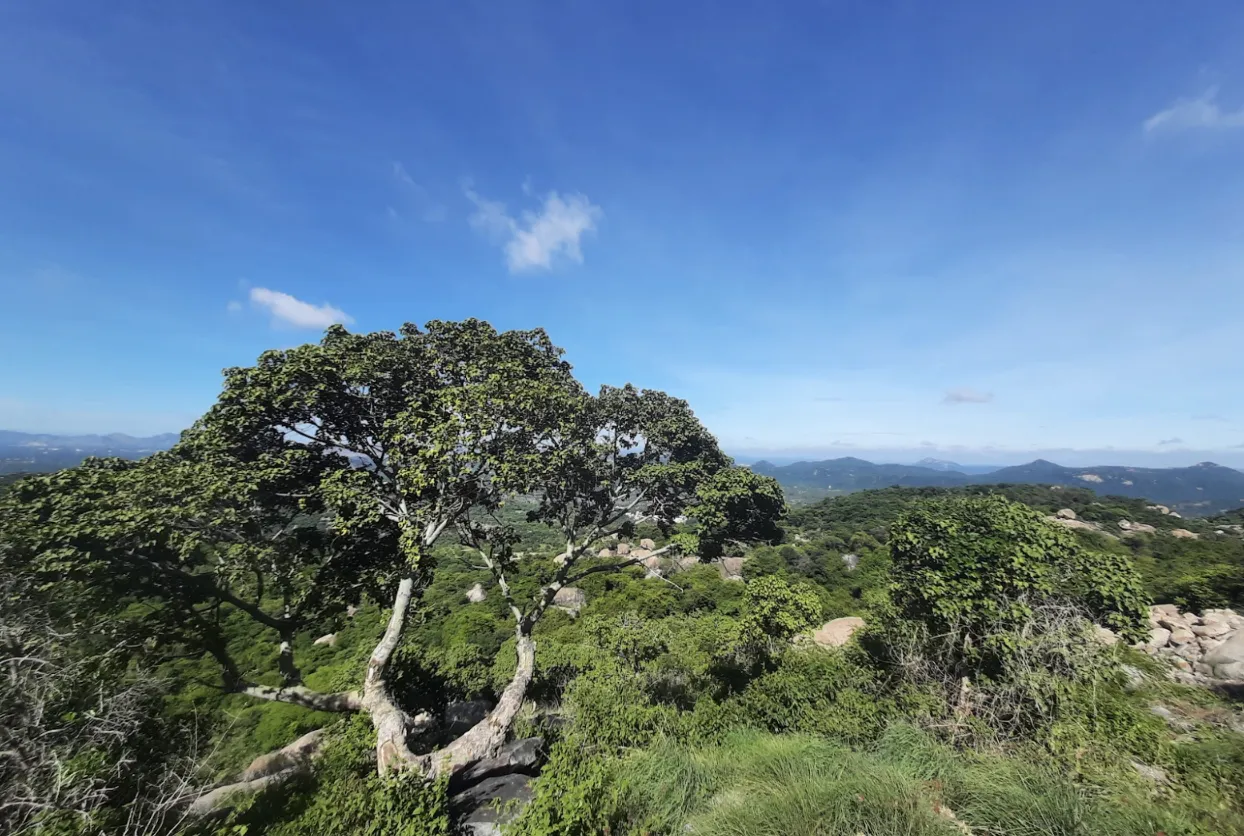
Our site is nestled in the unique Deccan Dry Deciduous Forest ecoregion, where deciduous and evergreen trees thrive alongside a wide range of shrubs and climbers. As we explore the secluded hills around the site, we uncover remnants of what once were lush forests, hinting at the ecological richness we aim to restore.

Flora Diversity

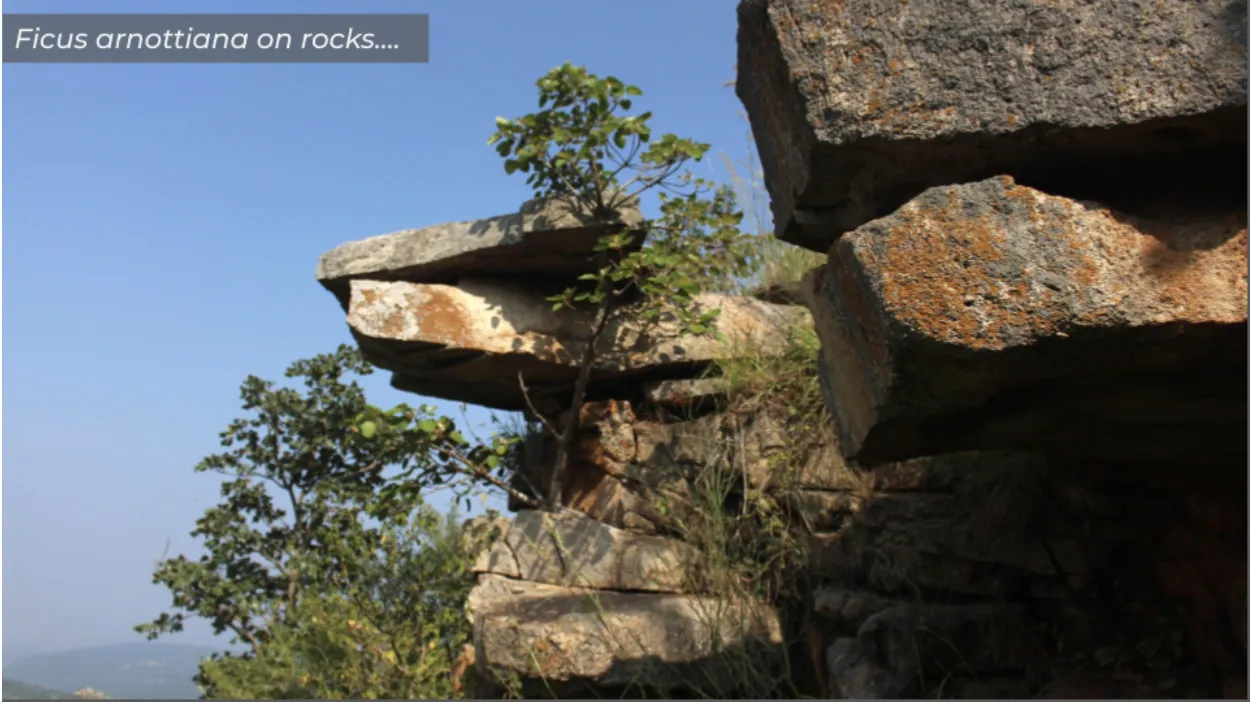
We encounter a diverse array of trees including Chloroxylon swietenia, Diospyros montana, Wrightia tinctoria, and Ficus tsjahela, which are native to this area. These species form a vital part of the dense canopy in less disturbed areas and are essential for ecological balance.

Fauna in the Region

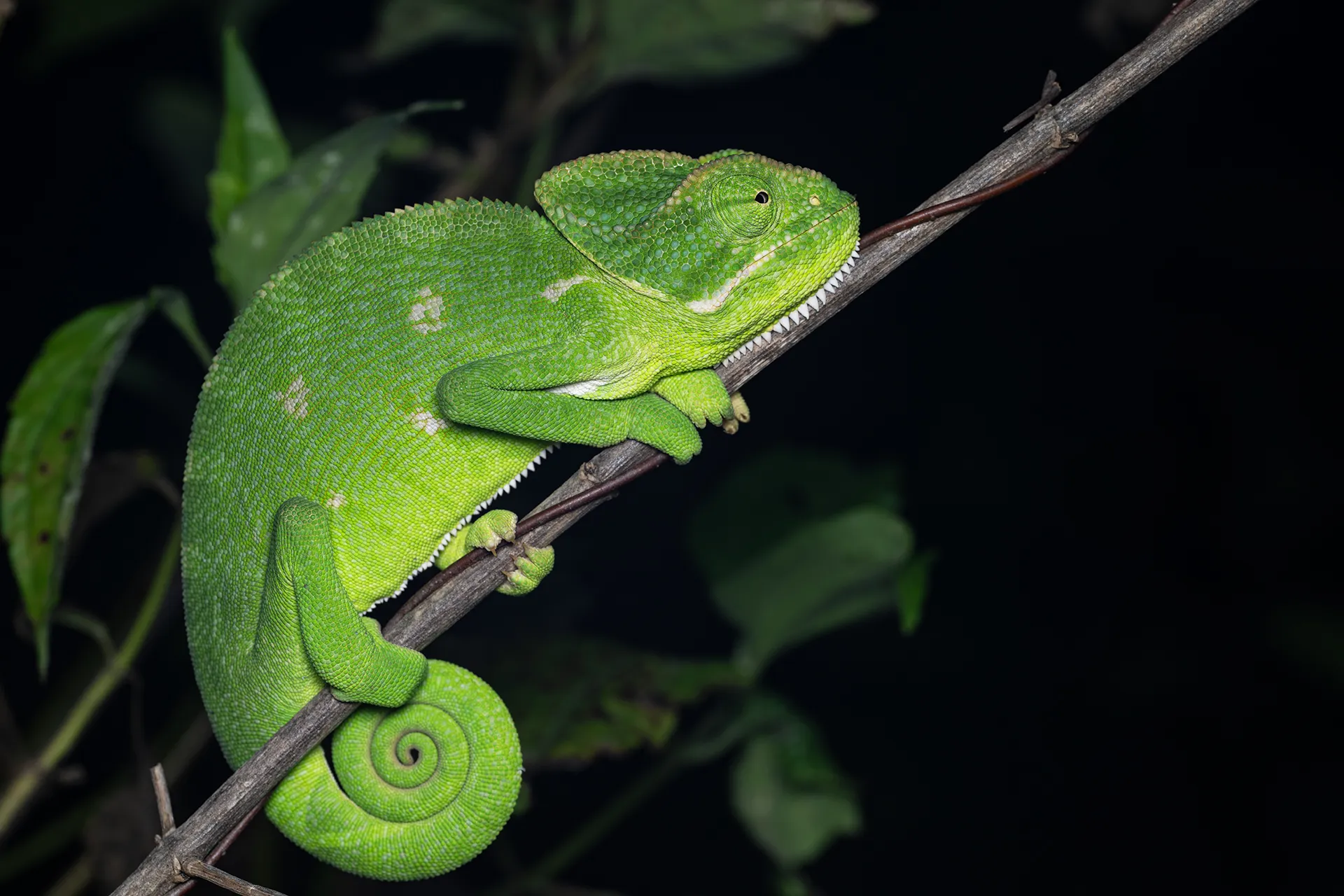
The land is also a natural habitat for an impressive range of fauna including the Sloth Bear, Amur Falcon, Indian Rock Python, and Asian Elephant. The diversity of wildlife plays a critical role in sustaining this ecosystem.

Volunteering at EBTL

Join us in our journey towards a greener, richer ecosystem. By nurturing these lands and reintroducing native species, we hope to restore the ecological balance that once thrived here.

Write to to know more